Āhua Gallery
Select Subcategory
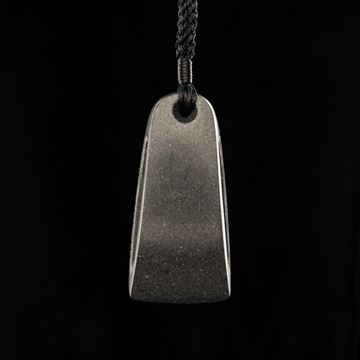
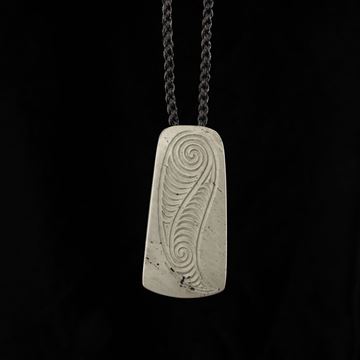
Toki - 6572IA
The toki pendent is based on the form of the carving chisel used in whakairo (Māori carving).
Material: Ōnewa (Greywacke)
Measurements:62mm x 28mm x 12mm
$445.00
Toki - 6573IA
The toki pendent is based on the form of the carving chisel used in whakairo (Māori carving).
Material: Pakohe (Argillite)
Measurements: 50mm x 21mm x 11mm
$331.00
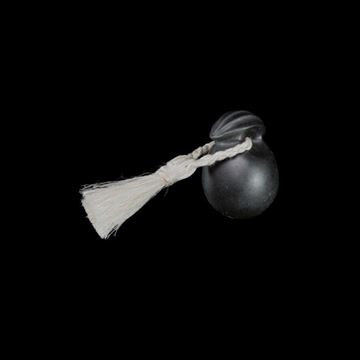
Māhē - 4501HW
Māhē are sinker stones used to weigh down fishing nets.
Material: Otaua (Greywacke)
Measurements: 50mm x 37mm x 35mm
$490.00
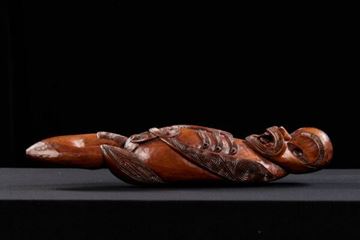
Waka Tūpāpaku - CI3348
A waka tūpāpaku is a box used for containing the bones of a person of high rank after they had been exposed on the atamira platform, the flesh removed and the bones anointed with oil and red ochre, placed in a waka tūpāpaku and taken to a tribal buriel cave.
Material: Tōtara
Measurements: 580mm x 140mm x 110mm
$2,500.00
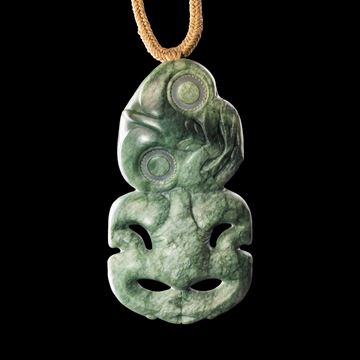
Hei Tiki - 5877SG
Hei tiki are the best known of all Māori adornments. Tiki are symbols of fertility that depict a new-born child. They are often family heirlooms bearing personal names and embodying their wearers lineage. As with most Māori personal adornments, hei tiki are often passed down generationally.
Material: Pounamu (Tokatea)
Measurements: 80mm x 48mm x 8mm
$3,500.00
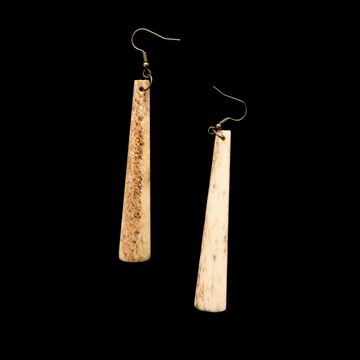
Toki Earrings - 5700RH
Toki earrings (or drop earrings) are designed to suspend from the bottom of the earlobes. The length varies from a centimetre or two, all the way to brushing the wearer's shoulders.
Material: Parāoa (Whalebone)
Measurements: 75mm x 15mm x 3mm
$490.00
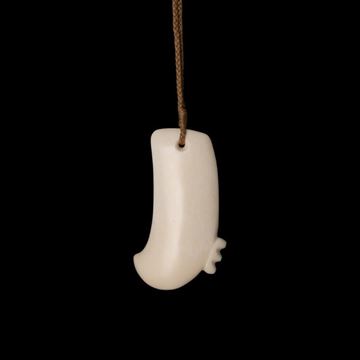
Rei Niho - 3789IA
The mark of a high Chief was one who wore the hei niho (whale tooth pendant), as the teeth of the sperm whale were highly prized because of their rarity. Usually these pendants had simply etched out eyes to form a head at one end. With actual whale teeth being such a rarity, it became common to fashion the tooth form from other materials.
Material: Koiwi (Beef Bone)
Measurements: 67mm x 40mm
$250.00
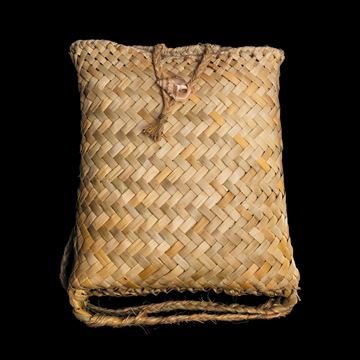
Kete Pikau - 8123MU
Kete Pikau (backpack) are used for carrying personal items.
Material: Harakeke (NZ Flax), Muka (NZ Fiber) & Pāua (Abalone Shell)
Measurements: 320mm x 360mm
$380.00
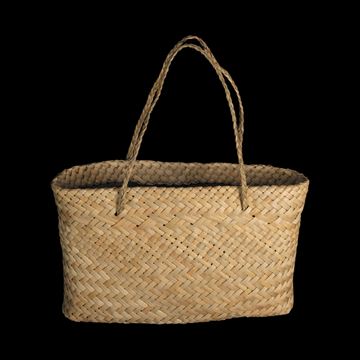
Kete Whakairo - 5827RW
Kete whakairo are woven flax bags of a finer quality than the general utilitarian kete. They are normally made from prepared strips of flax and/or kiekie, some of which have been dyed. Kete whakairo may also feature geometric designs.
Material: Harakeke
Measurements: 300mm x 190mm
$590.00
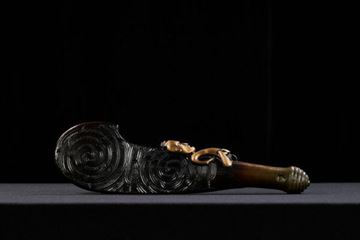
Wahaika - Black w Bronze (ed. 1/6) - 2487FD
The literal meaning of wahaika is: ‘waha’ (mouth); and, ‘ika’ (fish). It was specifically named because of the gap on the side of the weapon. Wahaika were used in close hand-to-hand combat to defect blows, and to strike the chest, head and wrist. Many wahaika have a small figure carved on their side called a pūkaiora which represented a tribal war God that would guard over the warrior during battle. The whiti or small head at the end of the handle was also a form of guardian. Wahaika are usually made from native hardwoods or whalebone.
$7,500.00
Recently viewed products
